8 Min Read
Sacramento continues to face a future with an aging housing stock, rising construction costs, and a growing demand for more livable, flexible space. Families are expanding, multigenerational living is becoming the norm, and homeowners are choosing to improve what they have rather than compete in a tight, overpriced market. Additions and ADUs are at the center of that shift.
Over the last several years, we’ve watched ADUs move from a niche idea to a mainstream solution across Sacramento, Folsom, Granite Bay, Elk Grove, and the surrounding region. At the same time, home additions have become the go-to answer for people who love their location but need more square footage, better functionality, or a layout that reflects how families actually live today.
If you’re planning an ADU or home addition in 2026, the landscape looks different than it did even a year ago. Regulations have evolved. Costs have shifted. Timelines can be longer. And the homes we’re working on, many built 30, 40, even 60 or more years ago, bring their own complexities. H&H Builds is happy to break down what Sacramento homeowners really need to know before starting an addition or ADU next year, based on the conditions we’re seeing every day in the field.
Table of Contents
Planning a Home Addition in Sacramento? Start With These Guides
If you are researching a home addition, these resources explain the most important things homeowners want to understand before starting a project.
- Learn what to expect when working with a home addition contractor in Sacramento.
- See a detailed breakdown of home addition costs in Sacramento, including factors that influence pricing.
- Understand the typical home addition timeline, from planning and design through construction.
- Ask these 12 questions before hiring a home addition contractor in Sacramento.
Why Additions & ADUs Are Booming in Sacramento
Additions and ADUs have become a permanent fixture of how families here are choosing to live. The demand is driven by several practical realities specific to the region.
Aging Housing Stock: 25–60+ Year-Old Homes
Most homes in Sacramento’s core neighborhoods, like East Sac, Arden, Carmichael, Fair Oaks, Wilton, and older pockets of Elk Grove, were built between the 1950s and 1990s. These homes are short on storage, they lack open floor plans, and their original mechanical systems are often at or beyond their lifespan. At a certain point, adding space or creating a separate living unit becomes more practical than continuous patchwork repairs.
Rising Home Prices and Limited Inventory
Sacramento’s real estate market continues to price many families out of “move-up” homes. With higher interest rates, homeowners prefer to reinvest in their current property rather than jump into a competitive market with limited inventory. An addition or ADU expands livability without the cost, stress, and unknowns of a home search.
Demand for Flexible, Multigenerational Living
ADUs have opened the door to new possibilities, such as housing aging parents, giving adult children independence, creating private guest space, or building a future rental income stream, which often ties into aging-in-place remodeling plans. Additions offer the same flexibility, larger primary suites, expanded family rooms, bonus rooms, or functional work-from-home space.
Rental and Long-Term ROI Potential
Sacramento remains one of the strongest rental markets in California. For many homeowners, a well-designed ADU is a long-term financial strategy. It brings consistent rental income, increased property value, and an asset that can adapt as needs change.
What’s Changing in 2026: ADU & Addition Regulations
California continues to tighten and refine statewide ADU legislation, and Sacramento follows suit with its own updates. Any homeowner planning to build in 2026 or beyond needs to understand how the regulatory landscape is shifting, because it directly affects project feasibility, cost, and timeline.
California State Law Updates
State ADU laws have trended consistently toward fewer restrictions and faster approvals. Though these changes generally favor homeowners, they require more precise planning. While 2026 legislation is still evolving, several themes are already clear.
-
Further limits on local denial power: Sacramento jurisdictions will have even less discretion to reject conforming ADUs.
-
Energy code evolution: Title 24 updates are expected to increase efficiency requirements, impacting insulation, windows, and mechanical systems.
-
Streamlined permitting requirements: Expect continued pressure on jurisdictions to hit the 60-day review window, though enforcement consistency will still vary.
-
Clarified utility connection rules: The state is moving toward more predictable fee structures and clearer exemptions, especially for conversions
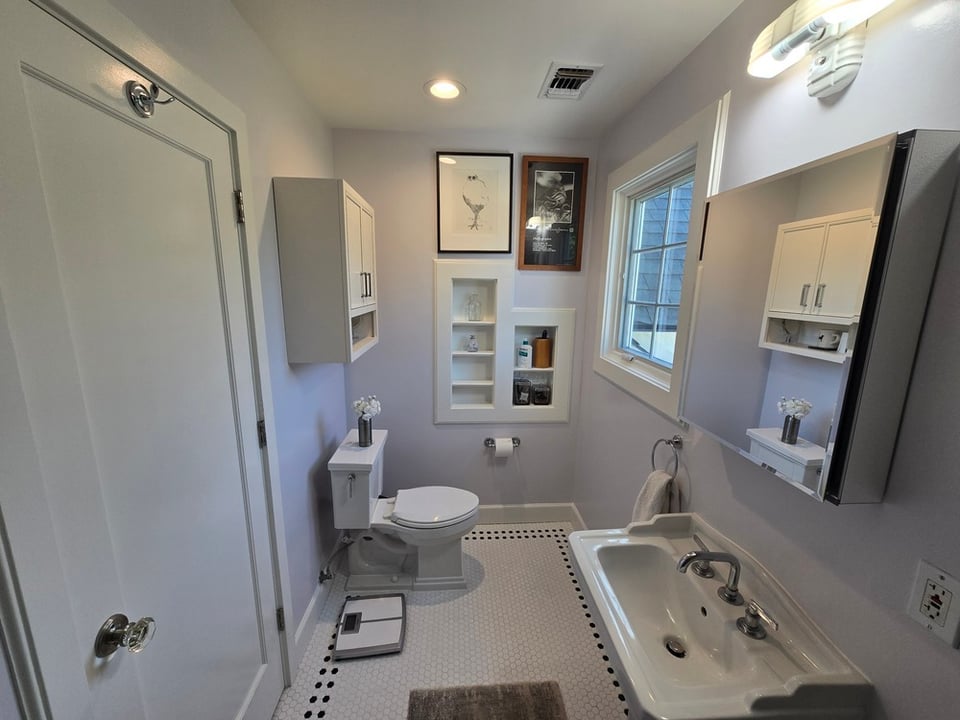
Sacramento City & County Permitting Trends
Sacramento City and County both process a high volume of ADU permits, and their systems reflect that pressure. We see homeowners stumble here more than anywhere else. Early zoning and feasibility review saves thousands of dollars and months of wasted time.
-
Plan check times are increasing, not decreasing, even with the state's push for speed.
-
Fire department clearances remain one of the biggest bottlenecks, especially in wildland-urban interface zones.
-
Setback and lot coverage interpretations continue to vary by zoning category; homeowners often assume more flexibility than exists.
-
County ADU rules differ from city rules, especially around rural parcels and easements.
What Homeowners Need to Prepare For
Successful projects have one thing in common: readiness.
-
Updated site plans
-
Recorded property documents
-
Existing utility mapping
-
Title 24 energy modeling
-
Accurate surveys for fence lines, setbacks, and easements
Timeline: How Long It Takes to Build in 2026
Project timelines in Sacramento aren’t getting shorter. Between permitting backlogs, aging homes, and stricter energy requirements, homeowners need a realistic understanding of how long an addition or ADU takes in 2026 from concept to completion.
Design & Engineering Timeline
Most additions and ADUs require a full design package, structural engineering, and site-specific detailing.
A typical timeline:
-
Architectural design: 4–8 weeks
-
Revisions & homeowner decisions: 2–4 weeks
-
Structural engineering: 2–6 weeks
-
Title 24 energy modeling: 1–2 weeks
Design isn’t the part to rush. Incomplete or sloppy drawings create delays, cost overruns, and multiple plan check resubmittals, especially in older Sacramento neighborhoods where structural surprises are common.
Permitting Timeline
Permitting has become one of the most unpredictable phases of any Sacramento project. ADUs are intended to move through the system faster, but the reality doesn’t always match the law. High volume and limited staffing continue to stretch review times.
Expected ranges:
-
City of Sacramento: 8–16+ weeks
-
Sacramento County: 10–20+ weeks
-
Fire department review: Often the slowest step, especially in WUI zones
-
Corrections / resubmittals: Add 2–6 weeks depending on engineering quality
Construction Timeline
Once permits are pulled, construction time varies by scope.
-
Garage conversion ADU: 3–5 months
-
Attached ADU: 5–8 months
-
Detached ADU: 6–10 months
-
Single-story addition: 4–8 months
-
Two-story addition: 6–12+ months
Weather, inspections, subcontractor availability, and material lead times all influence the schedule.
What Slows Projects Down
A realistic timeline is always better than an optimistic one. Across hundreds of Sacramento builds, these are the biggest timeline killers. If you’re planning an addition, this is also the stage where it pays to be prepared with the right questions to ask a home addition contractor before signing anything, especially around utilities, scheduling, and how they handle surprises in older homes.
-
Utility coordination (SMUD, PG&E, sewer districts)
-
Incorrect or incomplete plans
-
Homeowner-driven design changes mid-project
-
Backordered HVAC, electrical gear, windows, and specialty materials
-
Discovery issues inside older homes
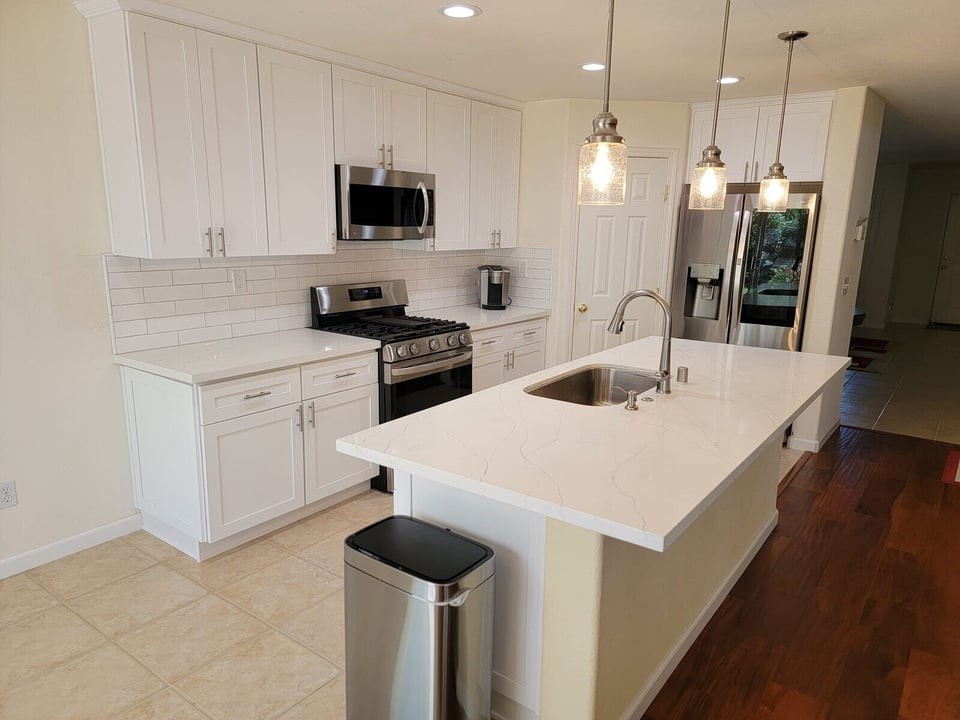
ADU vs. Addition: Which Is Right for You?
ADUs and additions both solve space problems, but they serve very different needs, come with different long-term considerations, and deliver very different levels of ROI. Choosing the right direction early prevents wasted design work and costly backtracking.
When a Home Addition Makes More Sense
An addition is typically the right choice when the goal is to improve your existing living space for a targeted purpose, not create a self-contained unit. Additions maintain the cohesion of your existing home and are often the fastest way to add functional space.
Best candidates:
-
Enlarging a kitchen or living area
-
Creating a true primary suite
-
Adding bedrooms for a growing family
-
Expanding square footage for resale value
-
Improving flow and function without adding a second household on the property
When an ADU Is the Better Option
ADUs shine when flexibility or income potential is part of the plan. ADUs also come with broader use cases, such as renting, hosting, working, or converting later, giving them long-term adaptability that additions can’t match.
Best candidates:
-
Housing aging parents or adult children
-
Creating rental income (long-term or mid-term stays)
-
Building a private guest suite
-
Establishing resale differentiation in competitive neighborhoods
-
Preparing for future multigenerational needs
Cost, Permitting, and Value Comparison
Additions
-
Typically integrate more smoothly into existing utilities
-
Require substantial structural tie-ins
-
Can be more cost-effective if the goal is simply more interior space
-
Strong resale impact in neighborhoods where larger homes appraise higher
ADUs
-
Require more planning around utilities, access, and fire code
-
May trigger separate address, panel upgrades, sewer connection, and independent metering
-
Strongest ROI potential due to rental income and statewide demand
-
Added complexity, but also added long-term value

Cost Expectations for Additions & ADUs in 2026
Homeowners planning for 2026 should expect continued upward pressure on construction pricing. While no reputable contractor will guarantee rates two years out, we can speak to what we’re seeing in real bids for ADUs and additions across Sacramento this year and how those trends inform 2026.
Current Price Ranges
These are the ranges homeowners should use for early budgeting:
-
Attached ADUs: $300,000–$450,000+ depending on complexity and utilities
-
Detached ADUs: $350,000–$550,000+
-
Garage Conversion ADUs: $175,000–$275,000, with caveats for structural and slab work
-
Single-Story Additions: $300–$400+ per square foot
-
Second-Story Additions: $350–$450+ per square foot due to structural reinforcement
Older Sacramento homes skew toward the higher end because foundation corrections, panel upgrades, and plumbing reroutes are common.
Find more details about local costs in our complimentary cost guide here.
Why Prices Are Trending Upward
A few realities are driving cost increases in 2026:
-
Labor availability continues to tighten across trades, including framers, electricians, and HVAC, especially.
-
Material volatility hasn’t completely stabilized. Lumber, electrical components, and mechanical equipment still move unpredictably.
-
Energy codes demand higher-efficiency equipment and assemblies than in prior years.
-
Discovery issues in older homes (bad wiring, undersized footings, and corroded plumbing) remain unavoidable and often unbudgeted.
What Affects Final Cost the Most
Three factors drive the biggest swings in actual project pricing. Expecting these variables prevents sticker shock later.
-
Site access: Tight lots in East Sac and Land Park greatly increase labor hours.
-
Age and condition of the existing structure: The older the home, the more likely you will need to correct past work.
-
Utilities: Sewer cleanouts, panel upgrades, and gas line relocations can add tens of thousands.
Sacramento Addition & ADU FAQs for 2026
How much will an ADU cost in Sacramento in 2026?
Based on current trends, homeowners should expect most detached ADUs to fall between $350,000 and $550,000+, with attached ADUs landing slightly lower and garage conversions starting around $175,000 to $275,000. Costs vary significantly with utility upgrades, foundation work, lot constraints, and finish level.
Do I need new utility hookups for an ADU?
Often, yes. Many Sacramento properties require panel upgrades, sewer extensions, or independent electrical circuits. Detached ADUs are more likely to trigger these upgrades than attached units or conversions.
How big can an ADU be in Sacramento?
In most zones, homeowners can build up to 1,200 sq. ft., though setbacks, lot coverage, and fire requirements may limit actual buildable size. Sacramento City and County interpret these limits differently, so early site analysis matters.
Can I convert my garage into an ADU?
Yes, but don’t assume it’s simple. Many older Sacramento garages need foundation reinforcement, full framing replacement, and complete utility rerouting. Conversions can be cost-effective, but only with realistic expectations.
How long does it take to get permits for an ADU or addition?
Sacramento City typically takes 8–16+ weeks, while Sacramento County may extend to 10–20+ weeks, depending on staffing and review cycles. Fire clearance is often the slowest step.
What’s the biggest cause of cost overruns?
Discovery issues in older homes, such as plumbing, electrical, poorly executed past remodels, and inaccurate initial design plans, are the top drivers. Choosing a contractor who plans thoroughly reduces this significantly.
Is an ADU or an addition better for resale value?
Both add value, but ADUs usually provide stronger ROI because they create rental income potential. In high-demand Sacramento neighborhoods, a well-executed ADU can substantially lift property value.
Do I have to upgrade my electrical panel for an addition or ADU?
Often yes for ADUs; often maybe for additions. Older homes commonly have undersized panels that can’t handle additional load. Expect this as a real possibility during planning.
Can financing cover unexpected issues during construction?
Yes. HELOCs are the most flexible because they allow additional draws. Fixed loans require more preplanning.
Can I start design work before securing financing?
You should. Lenders need accurate plans and estimates to approve the appropriate loan amount. Starting design early saves time and prevents underfunding.
Build Your Addition or ADU With Confidence
If you’re planning an addition or ADU in Sacramento, Folsom, Granite Bay, Elk Grove, Rocklin, Fair Oaks, Carmichael, Roseville, or the Greater Sacramento Region, the smartest move is to start early. Work with a builder who understands the regulatory landscape, the cost realities, and the challenges of Sacramento’s older homes.
Schedule a consultation with H&H or request an estimate, and let’s build a plan that fits your home and your budget. We cannot wait to meet you!